Bitumen for Hot Climates: Middle East and Gulf Performance Grades
August 9, 2026
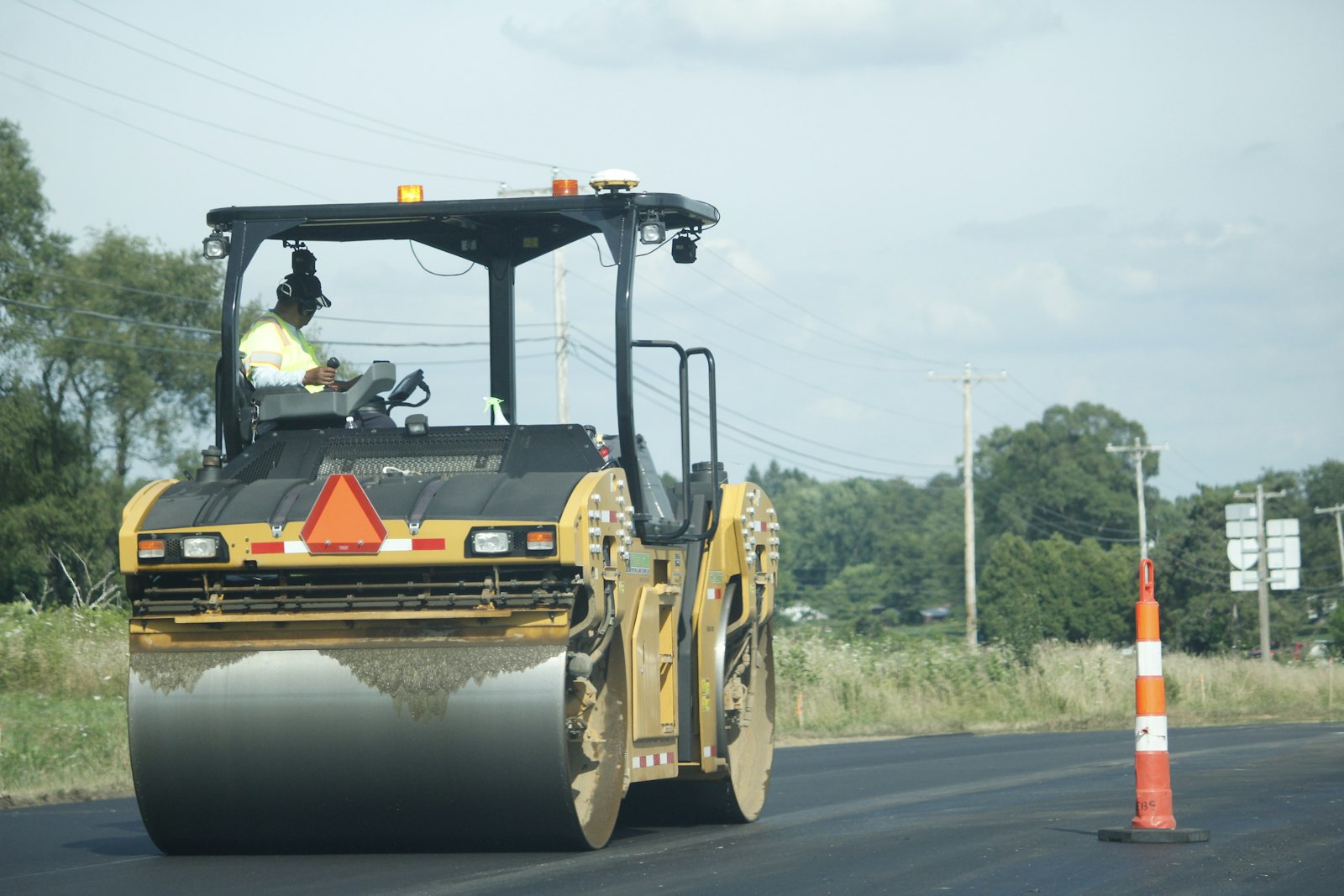
A bitumen that performs perfectly in northern Europe will rut and shove under a Gulf summer. Pavement surface temperatures in the UAE, Saudi Arabia, Oman and Qatar regularly exceed 60 °C, and conventional penetration-grade binder simply softens beyond the point where it holds aggregate in place. This is why hot-climate specifications have moved decisively toward performance grading and polymer modified bitumen (PMB).
How performance grading works
The AASHTO M320 system labels binder as PG H-L, where H is the maximum seven-day average pavement design temperature and L the minimum. PG 76-10 means the binder is engineered to resist rutting up to 76 °C and cracking down to −10 °C.
Unlike penetration grading, which describes consistency at a single temperature, PG describes behaviour across the whole service range. That is exactly the question a Gulf highway engineer is asking.
| Grade | Typical application | Climate |
|---|---|---|
| PG 64-10 | General paving, lighter traffic | Moderate |
| PG 70-10 | Highways, moderate heat | Warm |
| PG 76-10 | Heavy traffic, Gulf highways | Hot |
| PG 82-10 | Ports, truck lanes, intersections | Extreme heat plus heavy static load |
Why polymer modification is the usual answer
Reaching PG 76 or PG 82 from a typical straight-run 60/70 base is generally not possible without modification. Two families dominate:
- SBS (styrene-butadiene-styrene) — an elastomeric modifier, typically 3–6% by weight. Improves elastic recovery and rutting resistance while keeping low-temperature flexibility. The default for high-specification Gulf road work.
- Plastomeric modifiers (EVA, PE) — increase stiffness at high temperature, generally cheaper, but with less elastic recovery. Suited to heavily loaded, slow-moving areas.
What to verify on a PMB certificate
Polymer modified bitumen is easy to misrepresent, because the polymer content is not visible and under-dosed product still looks like bitumen. Insist on:
- Elastic recovery at 25 °C — the single most telling PMB indicator; typically 60–80%+ for SBS grades
- Softening point — expect a substantial lift over the base binder, often 65–80 °C
- Storage stability (separation test) — top-to-bottom softening point difference after 48 hours; a large gap means the polymer is separating
- MSCR (multiple stress creep recovery, AASHTO T350) where the specification calls for it — increasingly the modern replacement for elastic recovery
- Force ductility and low-temperature performance if the project sees cold nights inland
Handling PMB is different
Modified binder is less forgiving in storage than straight-run. Keep it agitated or circulated, hold it within the supplier's recommended temperature window, and avoid prolonged high-temperature storage — polymer degrades and separates, and a cargo that tested well at load port can fail on arrival. Transit time and heating discipline matter more than they do for 60/70; our packaging comparison covers the equipment side.
Getting the specification right before you order
Work backwards from the project: the road authority's specification determines the PG grade, the PG grade determines whether modification is required, and that determines which refineries and blending plants can actually supply you. Ordering "60/70" for a job that specifies PG 76-10 wastes a cargo.
CommoFlow supplies penetration grade and polymer modified bitumen from Gulf refineries and blending facilities, with third-party testing before shipment. Send us the project specification and we will confirm what is achievable and from where.
Have a commodity requirement? Get in touch.