Joint Venture Mines in Australia: How They Work, the Risks, and Who Can Take Part
August 11, 2026
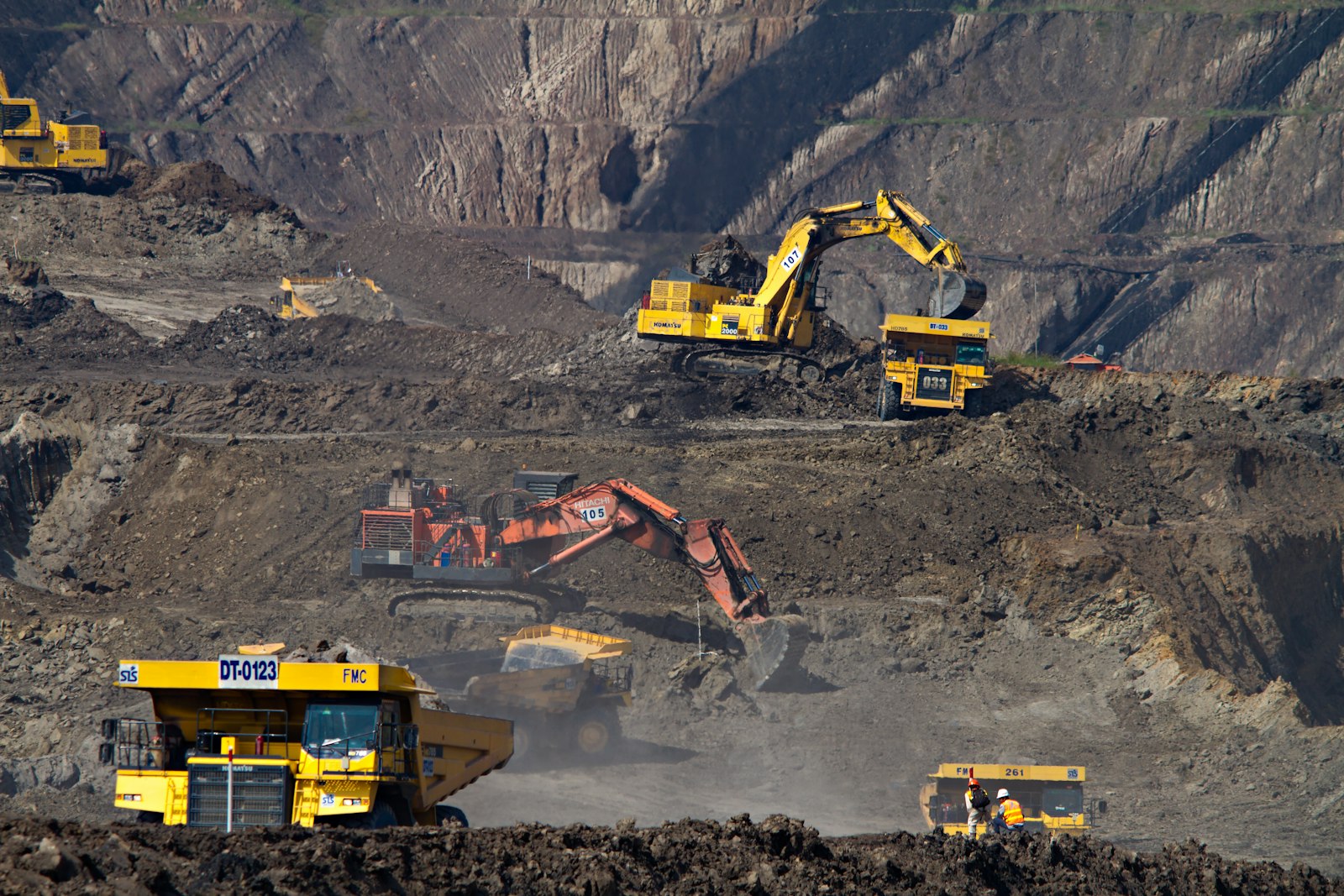
Australia holds some of the richest copper, gold, tin and iron ore ground on earth — and much of it sits in the hands of companies that have the deposit but not the capital to develop it. That mismatch is why the joint venture mine is such a fixture of Australian mining, and why it is one of the most attractive ways for an outside investor to own a share of a producing asset without building a mine from scratch. Here is how these deals actually work, what can go wrong, and how to get a seat at the table.
What a joint venture mine actually is
A mining joint venture in Australia is usually a deal over a specific project, not a merger of companies. Two or more participants share the cost of exploring, developing and operating a mine, and share what comes out of it in agreed percentages. The classic entry route is the farm-in (or earn-in) agreement: the incoming investor earns its percentage by funding work on the ground — drilling, studies, construction — rather than paying cash to the vendor. The money builds the asset you are buying into, which is precisely what makes the structure appealing on both sides of the table.
Most Australian mining JVs are unincorporated: each participant holds a direct interest in the mining tenements and takes its share of production in kind — physical metal or ore, not just dividends. For a buyer who actually wants the commodity, that detail is the whole point.
How the deal typically runs
- Stage one — earn the first interest. The investor commits to spend an agreed amount over an agreed period, commonly earning an initial 51%.
- Stage two — deepen it. A further tranche is often earned by funding a feasibility study or development milestone.
- Production — contribute and lift. Once the JV is formed, each party funds its share of costs and lifts its share of product. A participant that stops funding is diluted by formula; below a set threshold its stake typically converts to a royalty.
Those dilution mechanics — along with who is appointed manager and how deadlocks break — decide who really controls the mine, whatever the headline percentages say. We walk through the structures and clauses in detail on our Australian mining joint ventures page.
Where the opportunities are: copper, gold, tin and iron ore
Gold mines are the natural home of the farm-in. The Western Australian Goldfields carry a deep bench of junior explorers holding genuinely prospective tenements they cannot afford to drill — funding a drill programme for a majority stake is the textbook Australian gold JV.
Copper mines cluster in Queensland's Mount Isa province and South Australia's Gawler Craton. With electrification demand pulling on future supply, copper JVs increasingly come packaged with the thing traders value most: concentrate offtake negotiated alongside the equity.
Tin mines are rarer and prized. Tasmania hosts Renison, one of the world's great underground tin operations, which has itself run for decades as a joint venture — proof of how durable the structure is. Junior tin projects in Tasmania and Queensland offer smaller tickets for a first Australian deal.
Iron ore works differently: many Pilbara operations are themselves long-standing joint ventures with Asian steel mills, and the entry ticket is large. For most investors the practical routes into iron ore are magnetite and smaller direct-shipping projects — where the decisive question is rail and port access, not just grade.
The risks, honestly
- Exploration risk. A farm-in on an early-stage tenement can absorb the full spend and return a resource too small to mine. Stage your commitments so you can walk away at each decision point.
- Contribute or dilute. Cash calls keep coming in production. Miss them and your stake shrinks by formula — the mechanism that protects you against a non-paying partner works against you too.
- Operator risk. The manager runs the mine day to day. If that is not you, the JV agreement's approval thresholds and audit rights are your real protection.
- Time. Native title agreements, heritage surveys and environmental approvals run on their own clock. Price the timeline, not just the capex.
- The cycle. Commodity prices decide whether the same mine is a cash machine or a care-and-maintenance headache. Offtake at index-linked terms softens this; fixed assumptions do not.
Can foreign investors take part?
Yes — foreign participation is normal, not exceptional. Australia's mining industry was built on outside capital, and foreign investors routinely hold JV interests in Australian mines. Most transactions need clearance from the Foreign Investment Review Board (FIRB), which is a well-trodden process rather than a wall: applications for mining deals are approved as a matter of course, with closer scrutiny reserved for state-owned investors and critical minerals. The approval runs in parallel with the deal, and an experienced adviser makes it a timetable item, not a risk item. More on the process on our Australia JV page.
Getting a seat at the table
The best Australian joint ventures are rarely advertised — they move through relationships between tenement holders, funds and trading houses. That is where we come in. CommoFlow connects investors with vetted mines for sale and JV opportunities, and because we are a physical trading house, we can put an offtake behind your equity so the metal has a route to market from day one. If you hold a project and need the capital side instead, our investors for mining projects desk works the other direction.
Tell us the commodity, the ticket size and whether you want operatorship, and we will bring you the opportunities that fit — call our desk to start the conversation.
Have a commodity requirement? Get in touch.