Urea N46 Buying Guide: Prilled vs Granular, HS Codes and Pricing
August 9, 2026
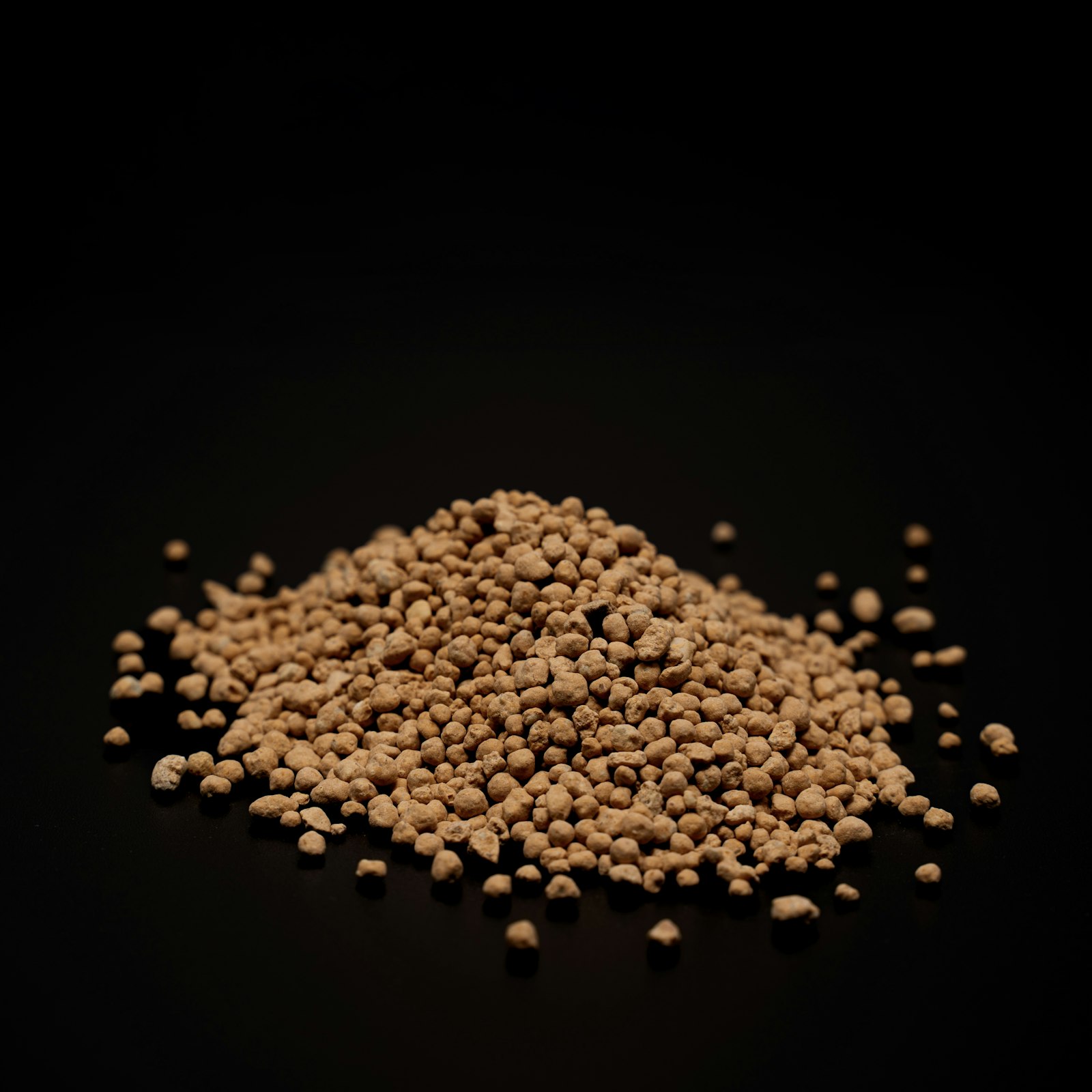
Urea explained: the gas-made fertiliser behind India's subsidies and AdBlue
Urea — 46% nitrogen, made from natural gas — is the world's main nitrogen fertiliser. India uses about 40 million tonnes a year, and farmers pay roughly US$3 for a 45 kg bag, a price that has barely moved since 2012 while the state pays the rest. Since 2015 it has been neem-coated so subsidised fertiliser cannot be diverted to factories, and imports jumped 120% to more than 7 million tonnes in April–November 2024. Urea's second job is AdBlue, which most modern diesel trucks need — and in 2021, with about 80% of Australia's urea coming from China, the country was left with weeks of supply before emergency shipments arrived.
Urea is the world's most widely used nitrogen fertilizer and one of the most liquid commodity markets on the planet — which means buying it is less about finding product and more about specifying it correctly and pricing it against the right benchmark.
Prilled or granular?
Both are 46% nitrogen. The difference is how the melt is solidified, and it changes how the product behaves in handling and application.
| Prilled urea | Granular urea | |
|---|---|---|
| Particle size | ~1–2.4 mm | ~2–4 mm |
| Crushing strength | Lower | Higher |
| Dust on handling | More | Less |
| Bulk blending | Poorer — size mismatch | Good — matches DAP/MOP |
| Typical markets | South and East Asia | Europe, Americas, bulk-blend markets |
| Industrial use | Common (resins, melamine) | Common (DEF/AdBlue when low-biuret) |
Practical rule: if the urea will be bulk-blended with other granular fertilizers or spread mechanically over wide booms, buy granular. If it is going into solution, into industrial processing, or into a market that has always used prills, prilled is usually cheaper delivered.
The specification that matters
- Nitrogen: 46% min
- Biuret: ≤1.0% — and ≤0.9% or lower for foliar and some industrial uses. Biuret is phytotoxic; this is the single most important number after nitrogen.
- Moisture: ≤0.5% — higher moisture means caking in transit
- Free-flowing, anti-caking treated — confirm whether coating is applied and with what
- Colour: white, free of foreign matter
If the cargo is destined for diesel exhaust fluid, the biuret and impurity limits are far tighter than standard agricultural grade — do not assume a standard COA covers it.
HS codes
For customs purposes urea normally falls under:
- 3102.10 — Urea, whether or not in aqueous solution (the standard fertilizer-grade heading)
- 3102.10.00 — the common six-to-eight digit expansion, though national tariff schedules extend this differently
Technical or industrial-grade urea can be classified differently depending on the destination and on stated end use. National extensions beyond six digits vary, and misclassification causes clearance delays and duty disputes — always confirm the exact code with the destination customs authority or your broker before shipping. We cover the wider set in our HS code reference for commodity imports.
Packing and volumes
- Bulk — Handysize to Panamax parcels, typically 25,000–60,000 MT
- 50 kg PP bags — the standard retail and smallholder format
- 500 kg / 1 MT jumbo bags (FIBC) — common for containerised and mid-size shipments
- Containerised — around 24–26 MT per 20ft, usually in jumbo or 50 kg bags
How urea is priced
Urea is quoted against published assessments — most commonly FOB Middle East granular, FOB Egypt, FOB Baltic and CFR Brazil or CFR India, published by Argus and ICIS. Contracts are typically written as the published assessment plus or minus a differential, fixed on a stated pricing date or averaged over a period.
The market is strongly seasonal, driven by Northern Hemisphere application windows and by Indian tender cycles, and it is sensitive to natural gas costs since gas is the primary feedstock. Buying into a tender-driven spike is an avoidable, and expensive, mistake.
Payment and documents
Irrevocable LC at sight is standard, with the document set including the commercial invoice, bill of lading, certificate of origin, certificate of analysis and independent inspection certificate covering weight and quality. Appoint SGS or Intertek at load port — for bagged cargo, insist the inspection covers bag weight and count, not only quality.
CommoFlow supplies prilled and granular urea 46% N from Gulf and Central Asian producers, in bulk and bagged. See the urea page for specifications, or send us your destination and volume.
Have a commodity requirement? Get in touch.