How to Buy Copper Cathodes (LME Grade A): Verification, Pricing and Avoiding Scams
August 9, 2026
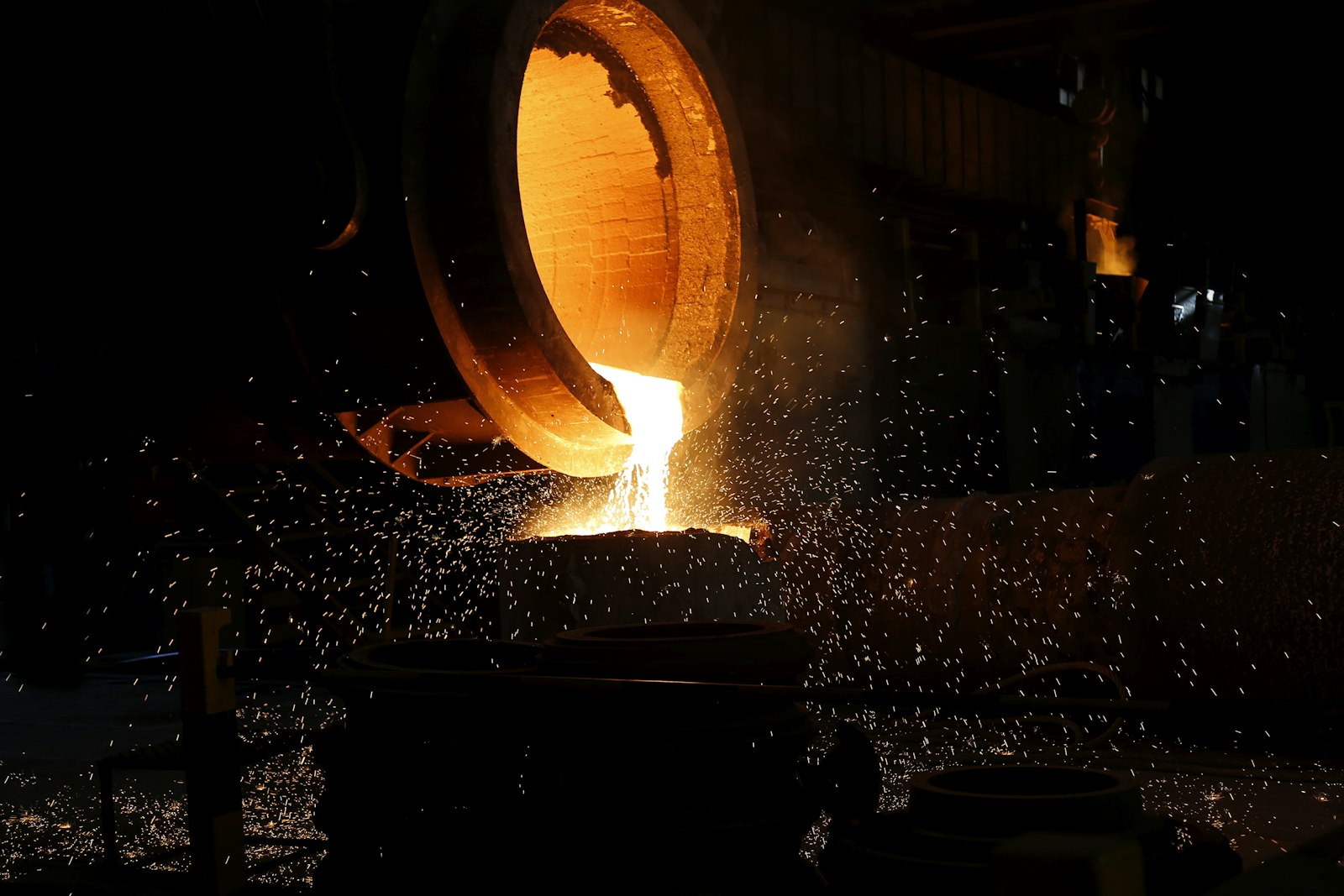
Copper cathode is one of the most heavily defrauded commodities in international trade. The reason is simple arithmetic: a single container is worth six figures, the product is standardised enough that buyers feel confident, and the enquiry volume attracts people who have no metal at all. If you are sourcing cathodes, learning to read the difference between a real offer and a fabricated one is worth more than any negotiation skill.
What "Grade A" actually means
LME Grade A copper cathode is defined by BS EN 1978:1998 (Cu-CATH-1): minimum 99.99% copper, with strict limits on impurities including selenium, tellurium, bismuth, arsenic, antimony and lead. Cathodes trade in 25-tonne lots on the LME contract, typically bundled in ~2 MT strapped packs.
Crucially, "LME Grade A" is not a marketing phrase — the LME maintains a published list of registered brands. A genuine seller can name the brand and producer. If nobody will tell you whose cathode it is, there is no cathode.
How cathodes are priced
The price has two parts:
- The LME reference — usually the cash settlement or a monthly average, agreed as a pricing basis in the contract
- The premium — a per-tonne figure over LME reflecting brand, location and delivery terms (for example Rotterdam, Shanghai or Midwest premiums)
Any offer priced at a large fixed discount to LME should end the conversation. Real metal does not sell below exchange value; discount offers exist to make you move fast. We cover the mechanics in understanding LME pricing.
The fraud patterns you will meet
- The deep discount. Cathodes offered at 10–30% below LME, often "distressed" or "bank-seized". No such market exists.
- Fake warehouse receipts. Documents purporting to show metal in a free zone. Warrants and receipts are verifiable directly with the warehouse operator — verify them yourself, never through a link or contact the seller supplies.
- Upfront fees. Requests for payment to cover "allocation", "tank storage" or "SGS booking" before any goods are identified.
- Refusal of load-port inspection. A genuine seller welcomes SGS or Bureau Veritas at the buyer's cost.
- Procedure inversion. Insisting you issue an SBLC or make a TT payment before documents, or demanding your bank details and full company profile before disclosing anything about the metal.
- Endless intermediary chains. Five brokers deep with nobody able to name the producer means there is no producer.
How a legitimate cathode deal actually proceeds
- Seller identifies brand, producer, quantity, location and delivery terms
- Buyer and seller agree specification, pricing basis, premium and Incoterms
- Contract executed; buyer opens an irrevocable LC at sight under UCP 600, frequently confirmed
- Independent inspection at load port — weight, sampling, assay
- Shipment; documents presented against the LC
- Payment released on compliant documents, not on promises
Notice what is absent: no upfront wire, no fee before goods are identified, no pressure.
Your verification checklist
- Named LME-registered brand and producer
- Company registration and trading history you can independently confirm
- Willingness to accept SGS or Bureau Veritas at load port
- Payment via LC, not advance TT
- Consistent documents — invoice, packing list, COA, B/L all naming the same parties
- A physical office and a verifiable banking relationship
See also our supplier verification guide and the operational side in copper cathode logistics and handling.
If your offer is coming through an intermediary, read commodity brokers vs direct traders to understand who actually carries the risk.
CommoFlow trades LME Grade A cathodes and concentrates with named brands, KYC and KYB verification on both sides, and independent assay at load port and destination. See our copper page or contact the desk.
Have a commodity requirement? Get in touch.