Understanding LME Pricing: How Copper and Aluminium Contracts Are Priced
August 9, 2026
Commodity exchanges explained: the LME, COMEX, SHFE and how futures set the price
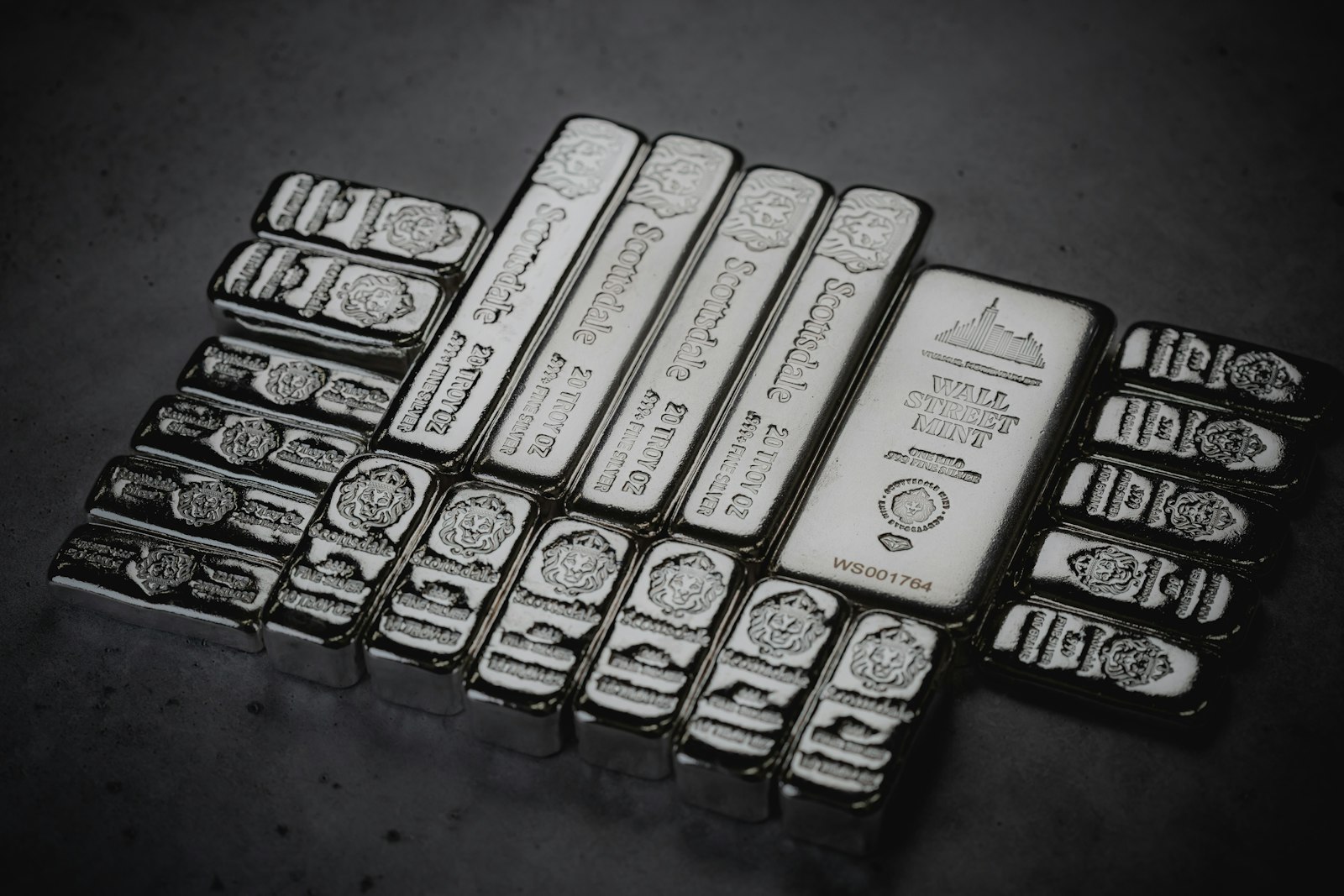
Most exchange trading is paper, not metal: few futures contracts ever end in delivery. The London Metal Exchange, founded in 1877 and known for its open-outcry Ring, sets world benchmark prices for copper, aluminium, nickel and zinc; COMEX in New York, part of CME Group, trades gold, silver and copper; the Shanghai Futures Exchange prices in yuan. A future is a standard lot at a set price for a set date, used by miners to lock in prices, by manufacturers to fix costs, and by speculators. In March 2022 nickel more than doubled to over US$100,000 a tonne for a moment, and the LME cancelled billions of dollars of trades and halted trading for about a week. Exchanges don't just record the price — they decide what counts as the price.
When a supplier quotes copper "at LME plus 180", most of the commercial content of that sentence is in the mechanics behind it. Understanding how the London Metal Exchange actually sets a price — and what the premium represents — is the difference between comparing offers properly and guessing.
What the LME price is
The LME is the global reference market for industrial metals. It publishes prices per tonne in US dollars for copper, aluminium, zinc, lead, tin and nickel. Two numbers matter most in physical contracts:
- Cash (spot) — the price for metal deliverable in two working days
- 3-month — the exchange's most liquid forward date and the usual hedging reference
The official price is established during the second Ring session each business day and is the figure most physical contracts reference. Contracts commonly use the average of official cash settlements over a defined pricing month (the "quotational period" or QP).
Contango and backwardation
The relationship between cash and 3-month tells you about physical tightness:
- Contango — forward above cash. The normal state, reflecting storage and financing costs. Metal is comfortably available.
- Backwardation — cash above forward. Signals immediate physical tightness; holders are being paid to give up metal now. Backwardation makes long quotational periods expensive for buyers and is worth watching before agreeing a QP.
The premium — where the real negotiation happens
LME gives you the price of a standardised warrant in an approved warehouse. It is not the price of metal in your factory. The gap is the physical premium, which covers:
- Location — getting metal to your region
- Brand — LME-registered brands command different premiums by quality reputation
- Form and delivery terms
- Local supply and demand balance
Widely quoted benchmarks include the Rotterdam duty-paid and duty-unpaid premiums for Europe, the Shanghai premium for China and the US Midwest premium. Premiums move independently of LME and can swing sharply — during a tight market the premium, not the exchange price, is what changes your landed cost.
Copper specifics
The LME copper contract is Grade A cathode to BS EN 1978:1998 (Cu-CATH-1), minimum 99.99% Cu, in 25-tonne lots, deliverable only as LME-registered brands. This is why brand identity matters commercially — and why an offer that cannot name a brand should be treated with suspicion. See how to buy copper cathodes.
Aluminium specifics
The LME contract is primary aluminium of minimum 99.7% purity — the P1020A grade familiar from ingot specifications. Aluminium pricing is unusually premium-driven: regional premiums have at times represented a substantial share of the all-in cost, so two offers at "LME flat" can differ materially once delivery basis is included. Product form also carries a conversion premium — billet, slab and rod each trade above ingot.
Reading an offer properly
To compare two quotes you need four things, not one:
- The reference — cash, 3-month, or average of official settlements
- The quotational period — which days the average is taken over
- The premium — and on what delivery basis
- The Incoterm — FOB, CFR and CIF are not comparable numbers
"LME plus 180 CIF" and "LME plus 120 FOB" may be the same deal or wildly different ones. Always normalise to the same basis before choosing.
Hedging, briefly
Because the LME is a futures market, physical exposure can be hedged. A fabricator buying on an average-price basis can lock the equivalent futures position to remove flat-price risk, leaving only the premium exposed. Anyone taking sizeable physical positions without understanding this is running an unintended directional bet on metal prices.
Where LME does not apply
Not everything is exchange-priced. Iron ore trades against index assessments such as Platts IODEX 62% Fe CFR North China; urea and sulphur against Argus and ICIS assessments; graphite and many minor metals against negotiated or surveyed prices. Assuming an LME-style mechanism where none exists is a common error in first contracts.
CommoFlow prices copper and aluminium on transparent LME-linked terms with the premium and quotational period stated explicitly. See our copper and aluminium pages, or talk to our desk.
Have a commodity requirement? Get in touch.